Real troubleshooting advice from the technicians who actually show up at your door — what's worth fixing, what to check before you call, and how to make your appliances last longer. No filler, no sales pitch disguised as an article.
Looking for something specific? Start with the appliance and we'll show you everything we've written about it.
Before you assume the worst, it helps to know what's actually likely to be wrong. We walk through the seven most common reasons a refrigerator stops cooling properly, in the order our technicians actually find them — from a simple dirty condenser coil to a failing compressor, and how to tell which one you're dealing with.
Read The Full Guide →

A puddle under your washer traces back to one of four places — here's how to narrow it down.
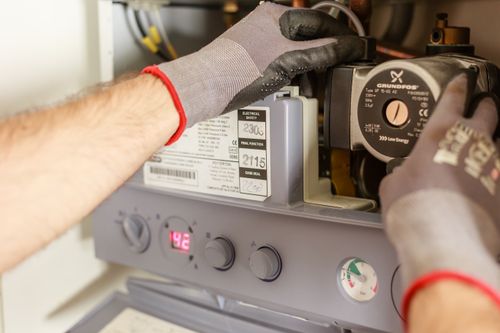
Most water heaters warn you first. Here are the five signs worth watching for.

Filter by category, or scroll through everything our technicians have written so far.

A puddle under your washer almost always traces back to one of four places. Here's how to narrow it down before you call anyone.
Read More →
Nine times out of ten, a slow dryer isn't broken at all — it's the vent. Here's how to check it safely in under five minutes.
Read More →
Cloudy glasses usually have nothing to do with your dishwasher's age. It's almost always one of three things — and two of them are free to fix.
Read More →
Most water heaters give a warning before they actually fail. Here are the five signs worth paying attention to before you're stuck with a cold shower.
Read More →
Disposals rarely fail from age alone — it's almost always what goes down them. Here's a short list of habits that add years to its life.
Read More →
We repair both every week, and the honest answer might surprise you. Here's what tends to go wrong with each, and how repair costs compare.
Read More →
A ten-minute check each spring can be the difference between a smooth summer and a no-cooling emergency call in July. Here's our pre-season checklist.
Read More →
A little frost is normal. A lot usually means one of two specific parts is failing. Here's how to tell the difference and what happens next.
Read More →
Most homeowners go years without touching it. Here's why that shortens the fan's life, and a realistic cleaning schedule that actually gets followed.
Read More →
There's a quick rule of thumb technicians use in the field that takes the guesswork out of this decision. Here's how we walk customers through it.
Read More →
Cold snaps put real strain on tank water heaters. A few small adjustments before the temperature drops can prevent most winter emergency calls.
Read More →
Manufacturers rarely explain their own error codes clearly. Here's a plain-language breakdown of the most common ones we get asked about.
Read More →
A sudden temperature drop outside can affect water pressure indoors more than people expect. Here's the seasonal fix most people miss.
Read More →
Cleaning the lint trap isn't enough. Here's the part of the vent system that actually causes most dryer fires when it's ignored.
Read More →
Sometimes worth it, sometimes not. Here's how to actually evaluate one before you agree to pay for it at checkout.
Read More →
A sudden spike is rarely random. Here's what to look for on your bill that can point to a specific appliance before it fully fails.
Read More →
Air fresheners only mask it. Here's the actual source of the smell in most compactors, and the fix that makes it stay gone.
Read More →Not every fix needs a full article. Here are a few quick things worth knowing.
Many appliances still carry a manufacturer or extended warranty years after purchase. A two-minute lookup can save the entire repair cost.
Having it ready when you call speeds up scheduling and helps us bring the right parts on the first visit.
Even a quick look inside an appliance should start with cutting power at the outlet or breaker, not just turning it off.
Before assuming your dishwasher needs a repair, check the rinse-aid reservoir — it's empty more often than you'd expect.
If your ice maker slows down the first cold week of the year, check the supply line before assuming the unit itself has failed.
Vacuuming your refrigerator's condenser coil twice a year can meaningfully cut down on compressor strain and energy use.
Articles are a great starting point, but a five-minute call often saves the most time of all.
Call Now — Same-Day Service +1 (240) 757-8520